- South Africa warehouse
- Nationwide delivery
- Bulk orders & wholesale pricing

☰ Menu
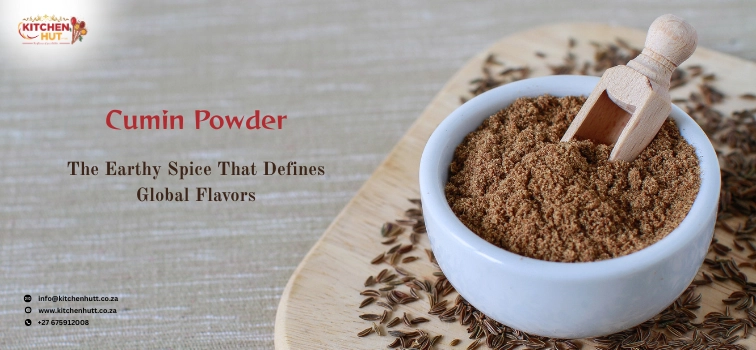
Cumin Powder: The Earthy Spice That Defines Global Flavors
Few spices have influenced global cuisine as profoundly as cumin powder. Known for its warm, earthy aroma and slightly nutty, peppery flavor, cumin powder has become a cornerstone ingredient in kitchens across continents. From traditional Indian curries and Mexican tacos to Middle Eastern stews and North African spice blends, this humble spice brings remarkable depth and character to countless recipes.
Derived from the dried seeds of the Cuminum cyminum plant, cumin has been cultivated for thousands of years and remains one of the world's most widely used spices. Its distinctive flavor not only enhances savory dishes but also offers numerous health benefits, making it an essential ingredient for both home cooks and food manufacturers.
Today, cumin powder is a preferred ingredient among restaurants, food manufacturers, seasoning producers, and wholesale spice buyers worldwide, thanks to its rich earthy aroma, versatile culinary applications, and consistently high quality. As consumers increasingly seek authentic flavors and natural ingredients, the demand for premium cumin powder continues to grow across global markets.
What Is Cumin Powder?
Cumin powder is made by carefully cleaning, drying, and grinding premium cumin seeds into a fine, aromatic powder. Unlike whole cumin seeds, the powdered form blends easily into recipes, ensuring even distribution of flavor throughout dishes.
High-quality cumin powder typically features:
Warm brown to light brown color
Rich earthy aroma
Slightly smoky and nutty flavor
Fine, uniform texture
Strong natural essential oils
Excellent shelf stability when properly stored
The unique flavor profile comes from naturally occurring essential oils, particularly cuminaldehyde, which gives cumin its unmistakable aroma and taste.
A Rich History Across Civilizations
Cumin has been treasured for over 4,000 years. Ancient civilizations including Egypt, Persia, Greece, and Rome used cumin not only as a culinary spice but also for medicinal and ceremonial purposes.
Historically, cumin was:
Used in preserving food
Added to bread and baked goods
Valued in herbal remedies
Traded extensively along ancient spice routes
Considered a symbol of prosperity in many cultures
Its popularity spread from the Middle East into Europe, Asia, and eventually the Americas, where it became deeply integrated into regional cuisines.
Today, cumin remains one of the most traded spices internationally.
Flavor Profile That Makes Every Dish Better
One reason cumin powder has remained popular for centuries is its incredibly versatile flavor.
Its taste can be described as:
Earthy
Warm
Slightly bitter
Nutty
Peppery
Mildly citrusy
Aromatic
When cooked, cumin develops a richer complexity that enhances other spices without overpowering them.
It pairs exceptionally well with:
Coriander
Turmeric
Paprika
Black pepper
Chili powder
Garlic
Ginger
Cinnamon
Cardamom
This versatility makes cumin powder suitable for nearly every savory cuisine.
Culinary Applications Around the World
Indian Cuisine
Indian cooking relies heavily on cumin powder.
Common dishes include:
Dal
Butter chicken
Paneer curries
Vegetable sabzi
Biryani
Chana masala
Sambar
Curry gravies
It forms an essential component of many spice blends, including garam masala and curry powder.
Middle Eastern Cuisine
Middle Eastern recipes use cumin to create rich, aromatic flavors.
Popular foods include:
Hummus
Falafel
Shawarma
Kofta
Lentil soup
Rice dishes
Grilled meats
Its earthy notes perfectly complement olive oil, garlic, and herbs.
Mexican Cuisine
Cumin is indispensable in Mexican cooking.
It enhances:
Taco seasoning
Burritos
Enchiladas
Chili con carne
Salsa
Beans
Rice
Fajitas
Its warm flavor balances spicy peppers and tomatoes beautifully.
North African Cuisine
Traditional Moroccan and North African dishes often feature cumin powder.
Examples include:
Tagines
Couscous
Harira soup
Meat stews
Spice rubs
Cumin contributes both warmth and depth to these slow-cooked dishes.
Global Food Manufacturing
Food manufacturers use cumin powder extensively in:
Ready-to-eat meals
Instant noodles
Snack seasonings
Spice blends
Frozen foods
Marinades
Sauces
Dressings
Pickles
Meat processing
Its consistent flavor makes it ideal for commercial production.
Nutritional Value of Cumin Powder
Although used in relatively small quantities, cumin powder contains valuable nutrients.
It naturally provides:
Dietary fiber
Iron
Calcium
Magnesium
Potassium
Manganese
Zinc
Phosphorus
It also contains naturally occurring antioxidants and plant compounds that contribute to overall wellness.
Potential Health Benefits
Cumin has long been appreciated in traditional wellness practices, and modern research continues to explore its potential benefits.
Possible advantages include:
Supports Digestion
Cumin may help stimulate digestive enzymes, promoting smoother digestion and reducing occasional bloating after meals.
Rich in Antioxidants
Natural antioxidants found in cumin help protect cells from oxidative stress caused by free radicals.
Supports Immune Health
The vitamins, minerals, and bioactive compounds in cumin may contribute to maintaining a healthy immune system.
Source of Iron
Cumin naturally contains iron, an essential mineral involved in oxygen transport and energy production.
May Support Metabolism
Some studies suggest cumin may assist healthy metabolic function when combined with a balanced diet and active lifestyle.
Promotes Overall Wellness
As part of a nutritious diet, cumin contributes flavor without added sodium, sugar, or unhealthy fats.
Why Food Manufacturers Prefer Cumin Powder
Commercial food manufacturers often choose powdered cumin because it offers several production advantages.
Benefits include:
Uniform flavor distribution
Easy blending
Consistent quality
Faster processing
Reduced preparation time
Better product consistency
Convenient storage
Longer shelf life
These characteristics improve manufacturing efficiency while maintaining authentic flavor.
Quality Characteristics of Premium Cumin Powder
High-grade cumin powder should have:
Strong natural aroma
Fresh earthy fragrance
Fine texture
Uniform brown color
No artificial colors
No fillers
No preservatives
Low moisture content
Excellent purity
Quality sourcing plays a significant role in achieving consistent flavor.
Storage Recommendations
Proper storage helps maintain cumin powder's freshness and aroma.
Best practices include:
Store in airtight containers.
Keep away from direct sunlight.
Avoid moisture exposure.
Store in a cool, dry place.
Keep away from strong-smelling products.
Use clean, dry utensils when handling.
Following these practices helps preserve essential oils and flavor for longer periods.
Growing Global Demand
Consumer interest in authentic international cuisine continues to drive worldwide demand for cumin powder.
Several factors contribute to its increasing popularity:
Growth of ethnic foods
Rising demand for natural ingredients
Expansion of packaged food industries
Increasing health awareness
Growth in food exports
Demand for clean-label products
Restaurants, hotels, catering businesses, and food manufacturers continue to expand their use of cumin powder in innovative recipes.
Choosing the Right Cumin Powder Supplier
Selecting a reliable supplier is essential for businesses seeking consistent quality.
Consider suppliers that offer:
Premium raw material sourcing
Advanced processing facilities
Strict quality control
Food safety compliance
Hygienic manufacturing
Bulk supply capability
Timely delivery
Custom packaging options
Export expertise
Consistent product quality
Long-term partnerships with experienced suppliers help ensure uninterrupted production and customer satisfaction.
Bulk Applications Across Industries
Cumin powder serves numerous commercial sectors, including:
Food manufacturing
Spice blending
Hotels and restaurants
Catering companies
Snack manufacturers
Frozen food producers
Sauce manufacturers
Ready meal producers
Retail grocery brands
Export businesses
Its universal appeal makes it one of the most valuable spices in the global food industry.
Sustainability and Responsible Sourcing
Modern consumers increasingly value responsibly sourced ingredients. Ethical cultivation practices, careful harvesting, and environmentally conscious processing contribute to better product quality while supporting farming communities.
Many premium spice manufacturers work closely with farmers to ensure traceability, sustainable agricultural practices, and consistent crop quality. These efforts not only improve the final product but also help build long-term relationships across the supply chain.
Conclusion
Cumin powder is far more than a simple seasoning—it is a timeless ingredient that connects cultures through food. Its distinctive earthy aroma, warm flavor, and exceptional versatility have earned it a permanent place in kitchens and food manufacturing facilities around the world.
From traditional family recipes to large-scale commercial production, cumin powder continues to shape the taste of global cuisine. Whether enhancing curries, seasoning grilled meats, enriching soups, or adding depth to spice blends, its contribution is both unmistakable and indispensable.
As demand for authentic flavors, natural ingredients, and premium spices continues to rise, high-quality cumin powder remains an essential choice for chefs, food manufacturers, wholesalers, and retailers alike. Choosing carefully processed, pure, and aromatic cumin powder ensures every dish delivers the rich, satisfying flavor that has made this remarkable spice a culinary favorite for thousands of years.
Note: We are just providing information, not a suggestion. Please consult your doctor before using it.